Plastic surgery is a surgical specialty that restores, repairs or changes the shape and function of the body. It includes reconstructive surgery, which addresses the effects of injury, illness, surgery or conditions present from birth, and aesthetic surgery, which changes appearance by personal choice. This page explains how these two areas differ, how a consultation works, what benefits and risks to consider and what recovery usually involves.
Reconstructive and aesthetic surgery
Reconstructive surgery aims to restore function and a more typical appearance after something has changed the body. Examples include breast reconstruction after cancer surgery, repair of burns or severe wounds, treatment of hand injuries and correction of cleft lip and palate. These procedures often form part of a wider medical treatment plan.
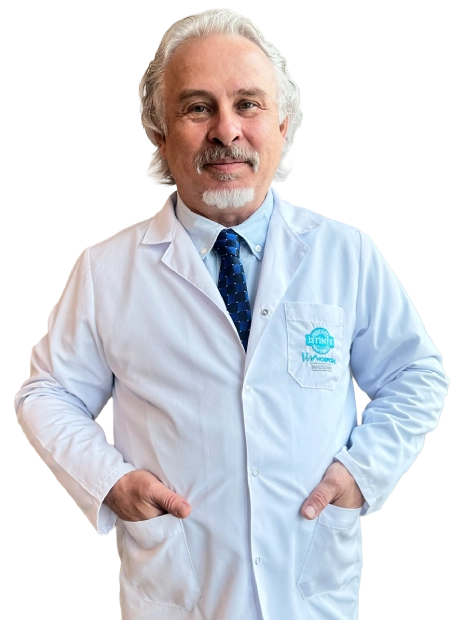
Our Doctor Answers: Plastic, Reconstructive and Aesthetic Surgery Specialist Op. Dr. Yasemin Aydınlı
Aesthetic surgery, sometimes called cosmetic surgery, focuses on changing features that are within the normal range but that a person would like to look different. Common examples include changes to the nose, eyelids, breasts or body contour. These procedures are elective, which means they are a personal decision rather than a medical necessity.
Both types of surgery involve the same principles: careful assessment, honest discussion of goals and risks, and planned follow-up.
Main areas of plastic surgery
The table below gives an overview of the main service groups, the goals they usually address and what is considered during the consultation.
Service group
Patient goal or clinical purpose
Consultation considerations
Breast reconstruction
Restore breast shape after mastectomy or injury
Cancer treatment plan, timing of reconstruction, implant or tissue-based options
Burns, wounds and scars
Improve healing, function and appearance of damaged skin
Wound condition, skin grafts or flaps, scar treatment options
Hand surgery
Restore movement and function after injury or disease
Nerve, tendon and joint involvement, rehabilitation needs
Facial aesthetic surgery
Change features such as the nose, eyelids or facial contours
Personal goals, facial anatomy, breathing or vision factors
Breast aesthetic surgery
Change breast size or shape
Body proportions, implant choice, breastfeeding plans, long-term follow-up
Body contouring
Change body shape, often after major weight loss or pregnancy
Weight stability, skin quality, general health
The consultation: goals, suitability and alternatives
A good plastic surgery consultation is a two-way conversation. You will be asked what you would like to change and why, how long you have been considering it and what you hope it will achieve. Your surgeon will examine the area, explain what is realistically possible and discuss whether surgery is the right option.
Suitability depends on your general health, skin and tissue quality, body weight stability, smoking status and medicines. Some people are advised to wait, for example until their weight is stable or a medical condition is well controlled. Non-surgical alternatives, such as scar treatments, physiotherapy or minimally invasive procedures, may also be discussed.
It is reasonable to take time to think before deciding. You should never feel pressured to book surgery on the day of your consultation.
Contact our team
How can we help you? Share your contact details to prepare your request.
How can we help?
By submitting you confirm you have read the privacy information and consent to the processing of your personal data.
Benefits, risks and realistic expectations
Plastic surgery can bring real benefits. Reconstructive procedures can restore function, reduce pain and help people feel more like themselves after illness or injury. Aesthetic procedures can improve satisfaction with a specific feature when goals are clear and expectations are realistic.
Every operation also carries risks. These may include bleeding, infection, poor wound healing, visible scarring, asymmetry, changes in sensation and complications related to anesthesia. Some procedures, such as those using implants, need long-term follow-up. Results also change over time as the body ages.
Surgery can change how a feature looks, but it cannot guarantee a specific result or resolve concerns that are unrelated to appearance. If worries about appearance are causing significant distress, it may help to talk with a mental health professional as part of the decision-making process.
Recovery and follow-up
Recovery depends on the type of procedure. Some smaller operations allow a return to light activities within days, while larger procedures may need several weeks. Swelling and bruising are common and settle gradually, and final results may take months to appear.
Your surgical team will give you specific instructions on wound care, activity, garments and when to return to work. Follow-up appointments allow the team to check healing and address any concerns early.
Plastic surgery at Liv Hospital
At Liv Hospital, plastic surgery begins with a consultation that clarifies whether your needs are reconstructive, aesthetic or both, and what can realistically be achieved. Surgeons explain the suitable options, including non-surgical alternatives, along with the expected recovery and the specific risks of each procedure. For reconstructive cases, plastic surgeons can work with other departments, such as oncology, orthopedics or burn care, so that surgery fits into your wider treatment plan.
Preparing for your consultation
To make the most of your appointment, bring:
A list of medicines and supplements, including blood thinners and herbal products
Details of previous surgery, especially in the same area
Medical reports relevant to reconstructive needs, such as cancer treatment plans
A written list of your goals and questions
Information about smoking, as it significantly affects healing
What is the difference between plastic surgery and cosmetic surgery?
Plastic surgery is the broader specialty and includes both reconstructive and aesthetic procedures. Cosmetic or aesthetic surgery is the part of plastic surgery focused on changing appearance by personal choice.
Am I a suitable candidate for surgery?
Suitability depends on your health, goals, tissue quality, weight stability and smoking status. Your surgeon will assess these during the consultation and may recommend waiting or considering alternatives.
How long is the recovery period?
It depends on the procedure. Some people return to light activities within days, while others need several weeks. Your surgeon will give you a personal estimate based on the planned operation.
Will I have scars?
Any surgical incision leaves a scar. Surgeons usually place incisions where they are less visible, and scars often fade over months. Your surgeon will explain where scars are likely to be and how to care for them.
Do I need follow-up after surgery?
Yes. Follow-up visits allow your surgeon to check healing, manage any complications and review your results. Procedures involving implants may need long-term monitoring.
Taking the next step
If you are considering reconstructive or aesthetic surgery, you can request a consultation with the plastic surgery team. Bring your medical history and a list of questions so the discussion can focus on what matters most to you.
Contact our team
We’re here to help
Send us your questions or requests and our international patient team will get back to you.