

Transcatheter Aortic Valve Implantation (TAVI)
 JCI Accredited
 ISO Quality
 International Health Tourism Authorization
 Ministry of Culture and Tourism
 Global Hospital Rating
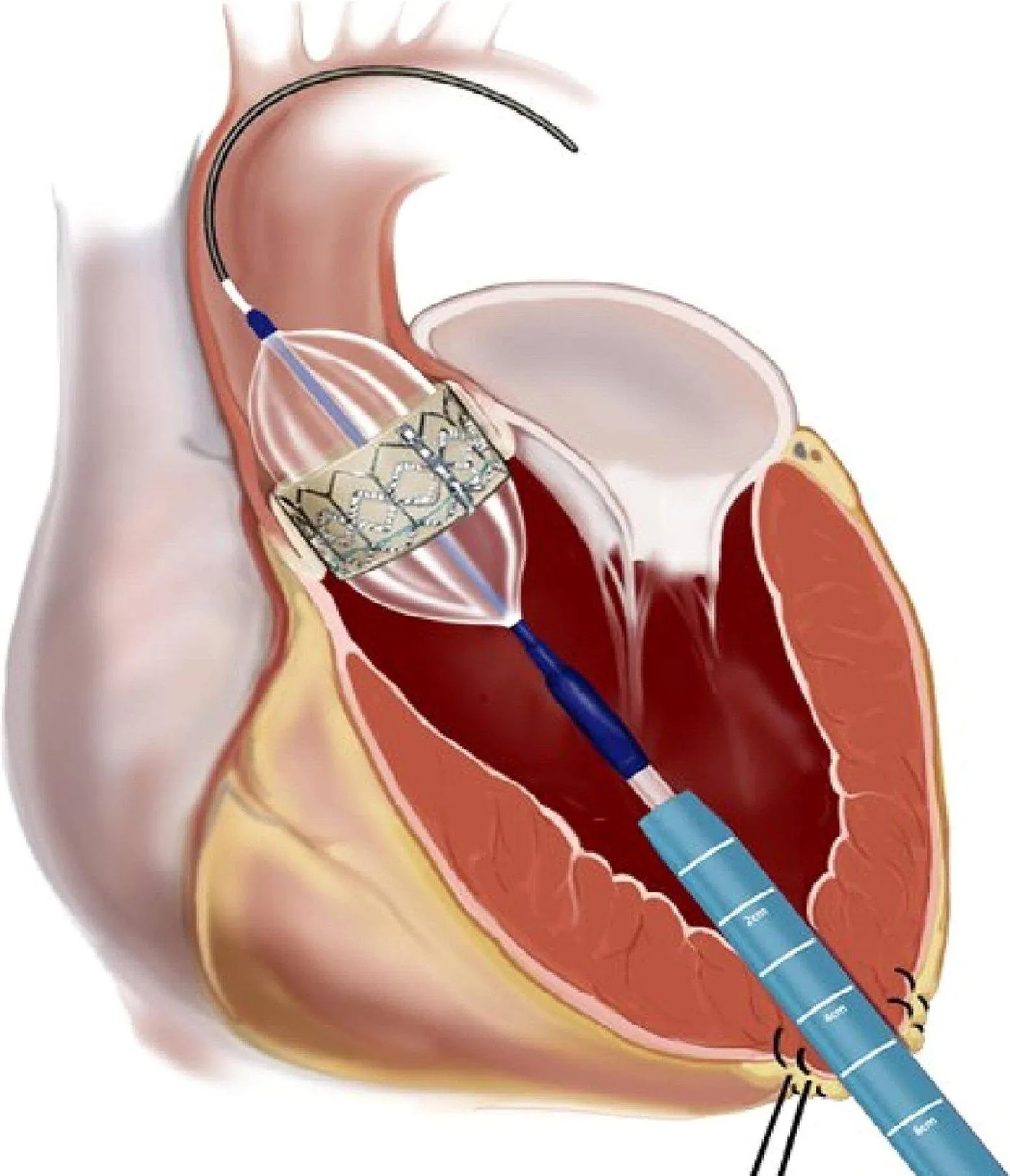
What is TAVI (Transcatheter Aortic Valve Implantation)?
TAVI, widely known in the medical community as “non-surgical aortic valve replacement,” is a minimally invasive heart procedure. Doctors use it to replace a narrowed aortic valve without opening the chest, making it an option for patients who face high risks with traditional open-heart surgery.
How is the TAVI Procedure Performed?
- Guiding the Catheter: A thin, flexible tube (catheter) is gently guided up through the blood vessels into the narrowed aortic valve. Positioning the Valve: The tip of the catheter holds a folded replacement valve made from biological tissue inside a fine metal mesh. Opening the Valve: Once in place, a small balloon inflates or the mesh frame expands on its own to press the new valve securely inside the old, stiffened valve. The new valve begins working right away to restore normal blood flow.
Clinical Indications: Who is Eligible for TAVI?
Doctors generally consider TAVI for patients with severe aortic stenosis a condition where the heart’s aortic valve narrows and restricts blood flow, who experience symptoms and meet specific clinical criteria:
- High/Inoperable Surgical Risk: Patients whose advanced age, frailty, or co-morbidities (such as severe COPD, end-stage renal disease, or advanced hepatic dysfunction) render them poor candidates for a formal median sternotomy and cardiopulmonary bypass.
- Prior High-Risk Cardiothoracic Interventions: Individuals who have undergone previous Coronary Artery Bypass Grafting (CABG) or valve surgeries, where a secondary re-sternotomy carries excessive mortality and surgical risk.
Comparative Structural Matrix
| Feature | Conventional Surgical Aortic Valve Replacement (SAVR) | TAVI (Transcatheter Aortic Valve Implantation) |
|---|---|---|
| Surgical Incision | Requires a full median sternotomy (opening of the breastbone). | Requires only a micro-puncture or percutaneous sheath entry in the groin. |
| Cardiac Arrest | Requires a cardioplegic arrest and use of a cardiopulmonary bypass (heart-lung) machine. | Executed off-pump directly on a beating heart. |
| Recovery Timeline | Demands a protracted healing period lasting several weeks (1–2 months). | Extremely rapid; patients are routinely fit for discharge within 2 to 3 days. |
| Post-Operative Pain | Associated with significant post-sternotomy incisional pain. | Associated with negligible, minimal localized discomfort. |
Post-Procedural Recovery Protocol
Following a TAVI procedure, patients typically require only a single night of observation in the intensive care unit (ICU) and are frequently mobilized for ambulation the very next day. Because the thoracic cage remains entirely intact, the patient’s return to functional independence and activities of daily living is exceptionally rapid. The implanted bioprosthetic valves are constructed from highly biocompatible tissues (e.g., bovine or porcine pericardium), minimizing the risk of immunogenic rejection.
For patients who cannot safely undergo open-heart surgery, TAVI provides an established, less invasive way to treat aortic valve narrowing and relieve symptoms.
Contact our team
How can we help you? Share your contact details to prepare your request.
How can we help?
By submitting you confirm you have read the privacy information and consent to the processing of your personal data.



