

Transarterial Chemoembolization (TACE)
 JCI Accredited
 ISO Quality
 International Health Tourism Authorization
 Ministry of Culture and Tourism
 Global Hospital Rating
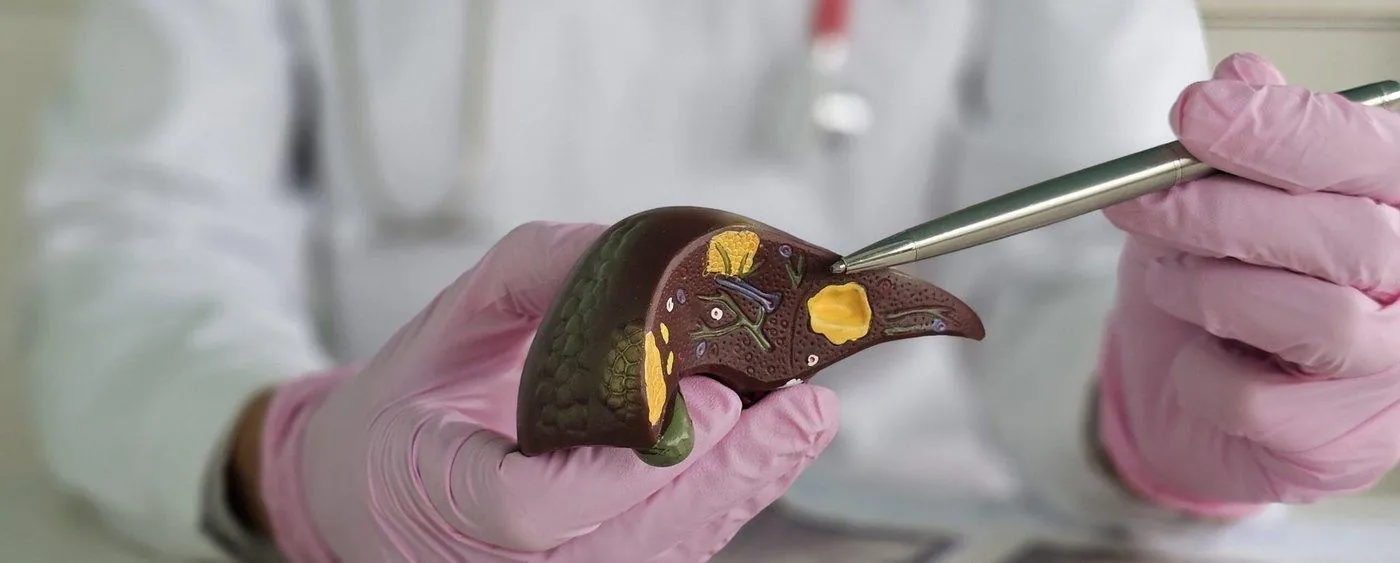
What is Transarterial Chemoembolization (TACE)?
Transarterial Chemoembolization (TACE) is a targeted, minimally invasive cancer treatment used mainly for liver tumors with a rich blood supply, including both primary liver cancer and cancer that has spread to the liver from other organs.
Mechanism of Action: How Does TACE Work?
- Interventional Vascular Access: The procedure is routinely performed in a catheterization laboratory under local anesthesia and conscious sedation. Through a tiny puncture in the groin (femoral artery) or wrist (radial artery), the doctor inserts a thin, flexible tube called a microcatheter into the bloodstream.
- Superselective Catheterization: Using live X-ray guidance (fluoroscopy and angiography), the interventional radiologist guides the microcatheter through the blood vessels directly into the small liver arteries feeding the tumor.
- Dual-Action Chemoembolization: Once positioned, a customized mixture containing a high-dose chemotherapeutic agent (e.g., doxorubicin or cisplatin) combined with an embolic material (such as lipiodol or biocompatible microspheres) is infused directly into the tumor bed. This two-step approach achieves two critical objectives simultaneously:
- It delivers a cytotoxic concentration of the chemotherapeutic drug directly to the neoplastic cells while minimizing systemic exposure.
- The embolic agents physically occlude the tumor’s microvasculature, inducing ischemic tumor necrosis by depriving it of oxygen and essential nutrients.
Clinical Advantages of TACE
- Minimally Invasive Profile: It represents a significantly less invasive alternative to major open surgical resections, leading to minimized surgical trauma and a brief hospital length of stay.
- Targeted Cytotoxicity: Because the chemotherapeutic payload is concentrated directly within the tumor parenchyma, the systemic bioavailability of the drug is drastically reduced, thereby mitigating classic systemic side effects (e.g., severe alopecia, profound bone marrow suppression).
- Favorable Recovery and Pain Management: The post-procedural recovery timeline is brief, and post-embolization syndrome (transient pain or fever) is routinely managed effectively with standard supportive care.
Primary Clinical Indications and Fields of Use
Doctors most often use TACE to treat primary liver cancer (Hepatocellular Carcinoma, or HCC) that cannot be removed with surgery, as well as tumors with a rich blood supply that have spread to the liver (such as neuroendocrine or colorectal cancer metastases). Before recommending TACE, a multidisciplinary tumor board including interventional radiologists, liver specialists (hepatologists), and medical oncologists reviews each patient’s overall health, liver function (such as the Child-Pugh score), and tumor size and location.
Contact our team
How can we help you? Share your contact details to prepare your request.
How can we help?
By submitting you confirm you have read the privacy information and consent to the processing of your personal data.



