

Radiofrequency Ablation (RFA)
 JCI Accredited
 ISO Quality
 International Health Tourism Authorization
 Ministry of Culture and Tourism
 Global Hospital Rating
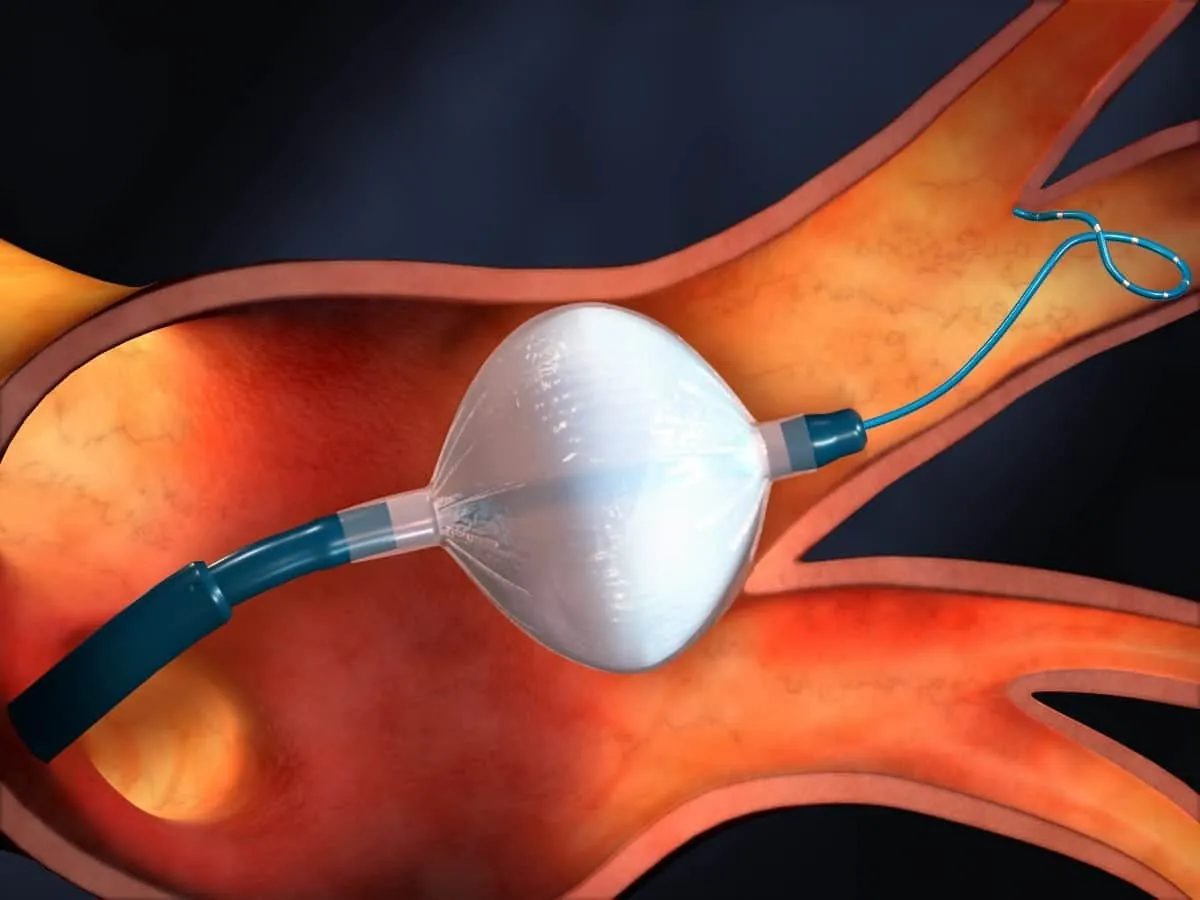
An Introduction to Radiofrequency (RF) Ablation
Radiofrequency (RF) ablation is a minimally invasive treatment that uses heat to destroy a small, targeted area of tissue. The heat is delivered through a thin needle or catheter, usually guided by imaging. It is mainly used for heart rhythm problems (arrhythmias), some tumors and certain types of chronic pain.
The Working Principle of RF Ablation
- Thermal Energy Generation: RF ablation sends a high-frequency electrical current (radiofrequency energy) into the target tissue through special electrodes. The current heats the tissue around the electrode tip, and this heat destroys the cells in that small area (coagulative necrosis).
- Target Tissue Delineation: The treatment is aimed at the problem area, such as tumor tissue or heart tissue that causes abnormal electrical signals.
Primary Clinical Indications and Fields of Use
- Cardiac Arrhythmias: Used in the electrophysiology laboratory to treat abnormal electrical pathways that cause fast heart rhythms (tachyarrhythmias), such as atrial fibrillation or supraventricular tachycardia.
- Oncological Tumor Therapy: Used in interventional oncology to destroy some small solid tumors, for example in the liver (hepatocellular carcinoma) and kidneys (renal cell carcinoma).
- Interventional Pain Management: Used for some types of chronic pain, such as lower back pain from the facet joints (lumbar facet arthropathy) or neck pain. It works by interrupting the pain signals carried by specific small nerves, such as the medial branches. Pain relief usually lasts for months, and the nerves may grow back over time.
Clinical Advantages of RF Ablation
- It represents a minimally invasive therapeutic alternative to open surgical procedures.
- It usually means a shorter hospital stay, and many procedures are done on an outpatient basis.
- Recovery is usually quick. Possible side effects depend on the area treated and may include pain at the treatment site, bleeding, infection or, rarely, injury to nearby structures.
Your doctor will decide whether radiofrequency ablation is suitable for you, based on your condition, test results and overall health.
Contact our team
How can we help you? Share your contact details to prepare your request.
How can we help?
By submitting you confirm you have read the privacy information and consent to the processing of your personal data.



