

Neuromonitoring
 JCI Accredited
 ISO Quality
 International Health Tourism Authorization
 Ministry of Culture and Tourism
 Global Hospital Rating
An Introduction to Intraoperative Neuromonitoring (IONM)
Intraoperative neuromonitoring (IONM) is a technique used to check how the nervous system is working, in real time, during surgery. It is used mainly in higher-risk operations on the brain and spinal cord. By giving the surgeon continuous feedback, it helps lower the risk of nerve injury during the operation.
Clinical Significance of IONM
- Protection of Eloquent Structures: The brain and spinal cord are very delicate. Injury to their pathways during surgery can lead to lasting problems such as weakness, loss of sensation or paralysis.
- Real-Time Early Warning System: IONM works as an early warning system. It lets the neurophysiologist and surgeon notice changes in nerve signals quickly, so they can change their approach before permanent damage occurs.
- Risk Mitigation: Monitoring helps lower the risk of nerve injury, although it cannot prevent every complication.
Mechanism of Action
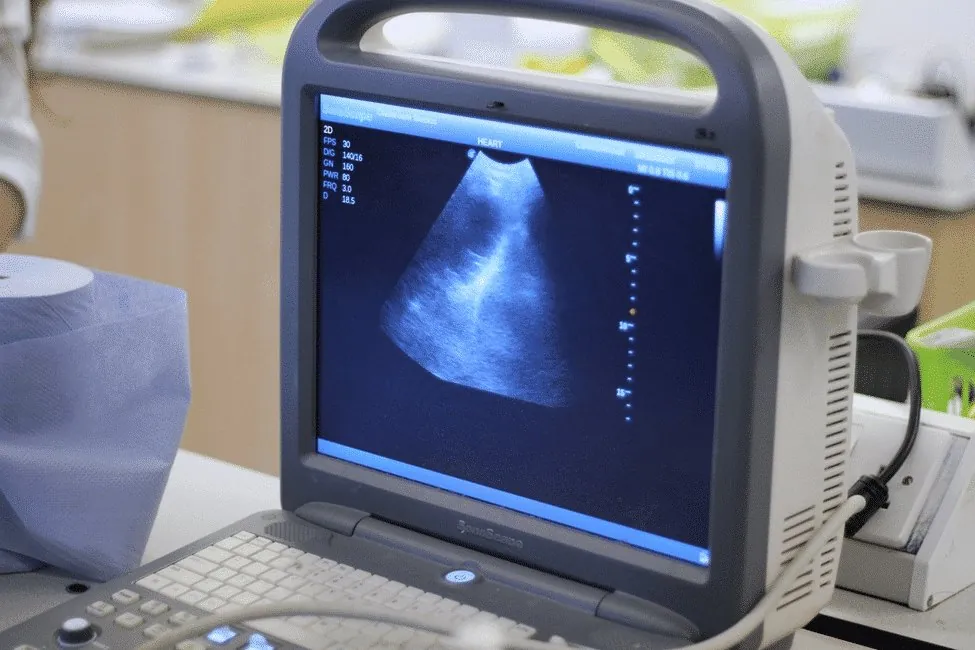
Intraoperative neuromonitoring systems utilize various electrophysiological modalities—such as Motor Evoked Potentials (MEPs), Somatosensory Evoked Potentials (SEPs), and Electromyography (EMG).
Specialized surface or needle electrodes placed on specific muscle groups or neural pathways record the electrical signals of the nervous system. These signals are shown on a monitor, so the team can follow how the nerves are working throughout the operation. The electrodes are placed after the patient is asleep and are removed at the end; small marks may remain on the skin for a short time.
Contact our team
How can we help you? Share your contact details to prepare your request.
How can we help?
By submitting you confirm you have read the privacy information and consent to the processing of your personal data.



