

Minimally Invasive
 JCI Accredited
 ISO Quality
 International Health Tourism Authorization
 Ministry of Culture and Tourism
 Global Hospital Rating
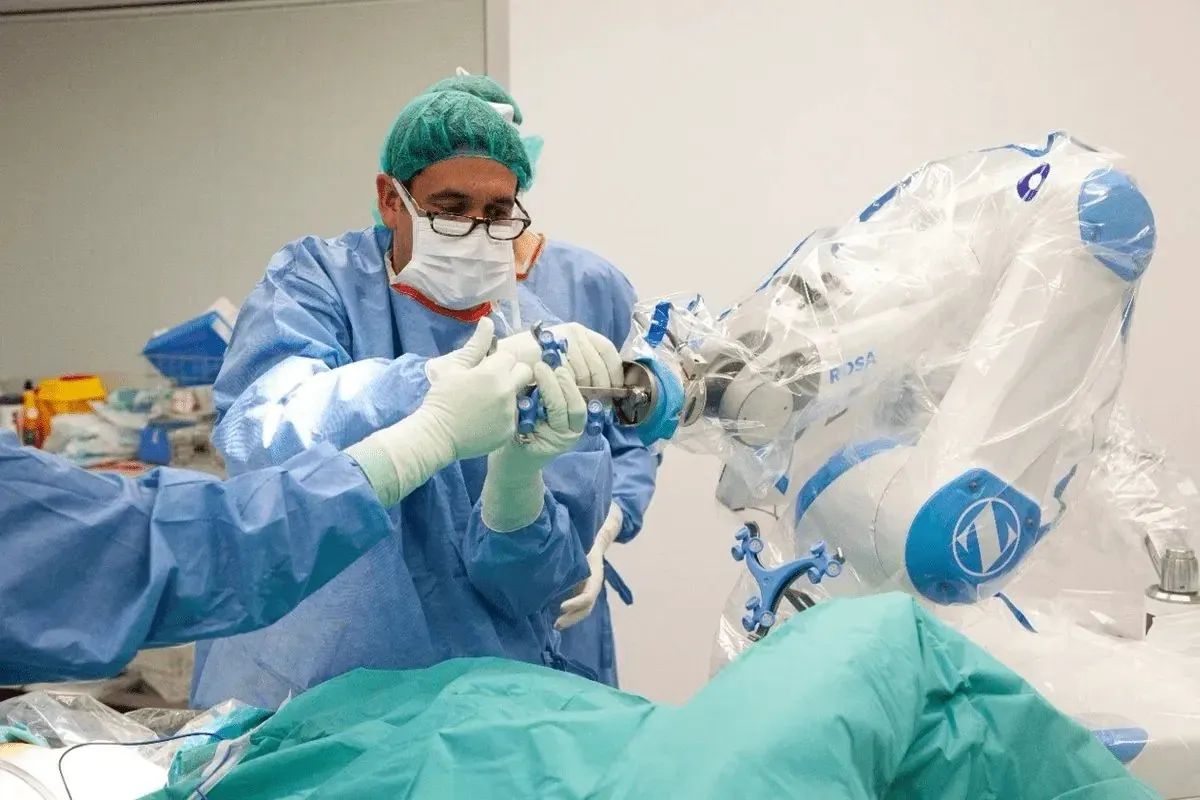
Minimally Invasive Coronary Artery Bypass Grafting (MICS CABG)
Minimally invasive coronary artery bypass grafting is a type of heart bypass surgery performed through a small incision between the ribs, without cutting the breastbone. For suitable patients, it can mean a faster recovery than conventional open-heart bypass surgery.
Surgical Approach
In a minimally invasive bypass procedure, the surgeon gains access to the heart through an intercostal space (between the ribs) via a 7 cm incision made below the left side of the chest. It avoids opening the breastbone (without cutting any bone).
Under direct visualization, the internal mammary artery is harvested. The bypass is then sewn onto the coronary artery on the beating heart, without stopping the heart or using a heart-lung machine (off-pump surgery). This approach is mainly suitable for patients who need one or two bypasses, and your surgeon will assess whether it is right for you.
Recovery After Surgery
- Conventional Bypass Surgery: Following traditional bypass surgery via median sternotomy, patients typically require a hospital length of stay of 6 to 7 days, and generally require 2 to 3 months to return to their professional occupations. Much of this recovery time is needed for the divided breastbone (sternum) to heal.
- Minimally Invasive Bypass Surgery: After minimally invasive coronary bypass surgery, many patients can go home by the 4th post-operative day. Most patients return to daily activities sooner and can usually drive again earlier, once the surgeon agrees. Many patients can return to work by the 3rd post-operative week.
Contact our team
How can we help you? Share your contact details to prepare your request.
How can we help?
By submitting you confirm you have read the privacy information and consent to the processing of your personal data.



