

Intragastric Balloon
 JCI Accredited
 ISO Quality
 International Health Tourism Authorization
 Ministry of Culture and Tourism
 Global Hospital Rating
Intragastric Balloon Procedure
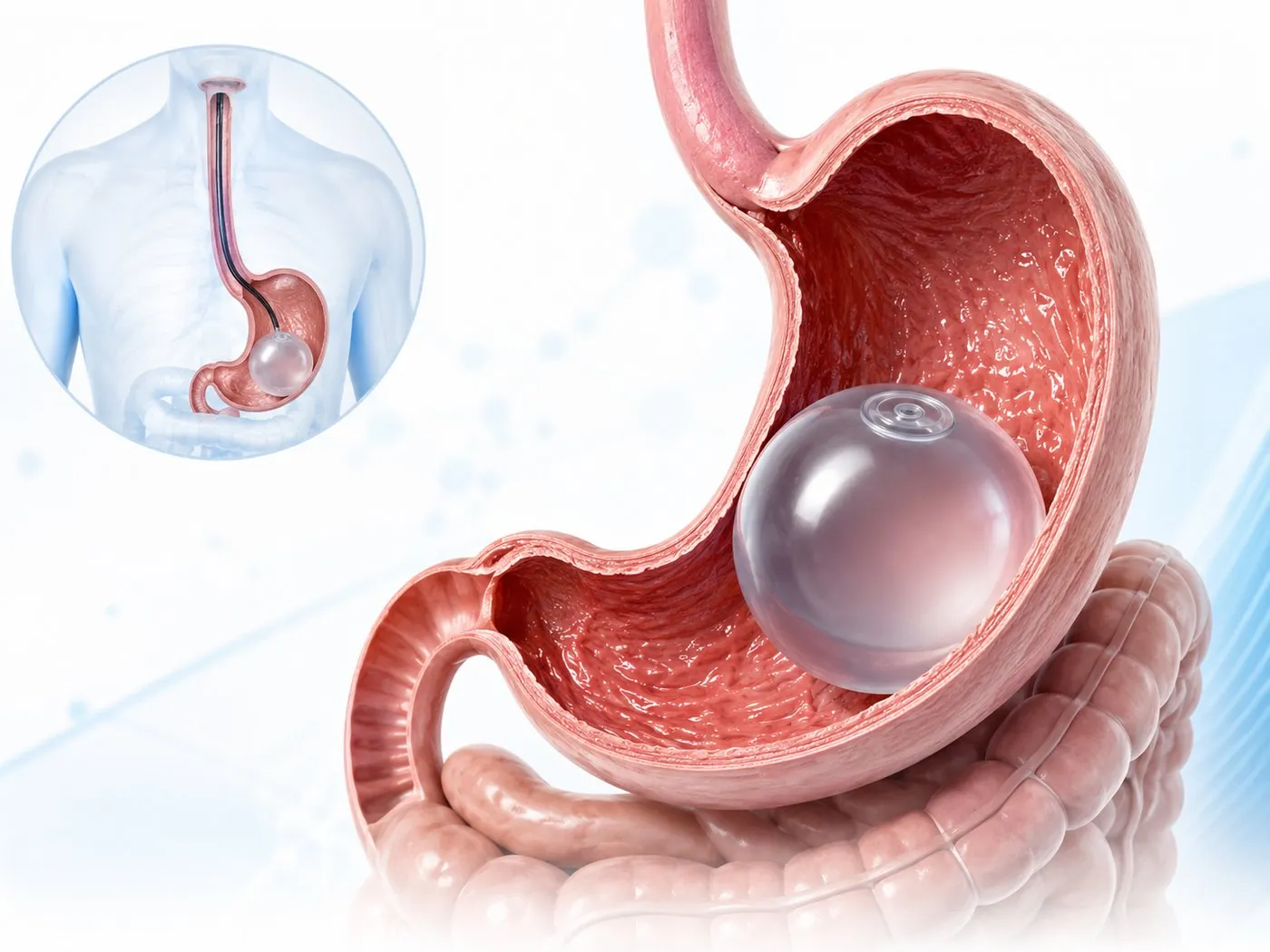
This procedure utilizes a silicone balloon placed inside the stomach to enhance the patient’s sensation of satiety (fullness), thereby aiming to reduce overall food intake. It is a non-surgical option for people who want to lose weight, and it works best together with changes in diet and activity.
The Procedure
The procedure is typically performed under conscious sedation.
- Placement and Inflation: Initially, the deflated balloon is introduced into the stomach cavity via an endoscope, where it is subsequently inflated using a specialized saline solution or gas.
- Mechanism of Action: The balloon takes up part of the stomach, so it fills sooner during meals and the feeling of fullness lasts longer. This helps patients eat smaller portions.
- Duration: The balloon generally remains in situ within the stomach for 6 months, after which it is removed with another endoscopic procedure.
Patient Selection
In addition to being a recognized treatment for obesity management, the intragastric balloon may be considered for people with a raised Body Mass Index (BMI) who have difficulty losing weight.
It may be a suitable option for:
- Individuals who present with high perioperative risks for conventional bariatric surgery.
- Patients who have been unsuccessful in achieving significant weight reduction through traditional dietary interventions and exercise regimens.
Weight loss with a balloon can also improve some weight-related health problems. Nausea, vomiting and stomach cramps are common in the first days after placement. Serious complications are uncommon, and your doctor will explain them before treatment.
Expected Results
The intragastric balloon can help with weight loss without surgery, and recovery after placement is usually quick. Results depend largely on lasting changes in eating habits and physical activity, as some weight may return after the balloon is removed. A dietitian and doctor usually follow patients during and after treatment.
Contact our team
How can we help you? Share your contact details to prepare your request.
How can we help?
By submitting you confirm you have read the privacy information and consent to the processing of your personal data.



