

Flexible Ureteroscopy
 JCI Accredited
 ISO Quality
 International Health Tourism Authorization
 Ministry of Culture and Tourism
 Global Hospital Rating
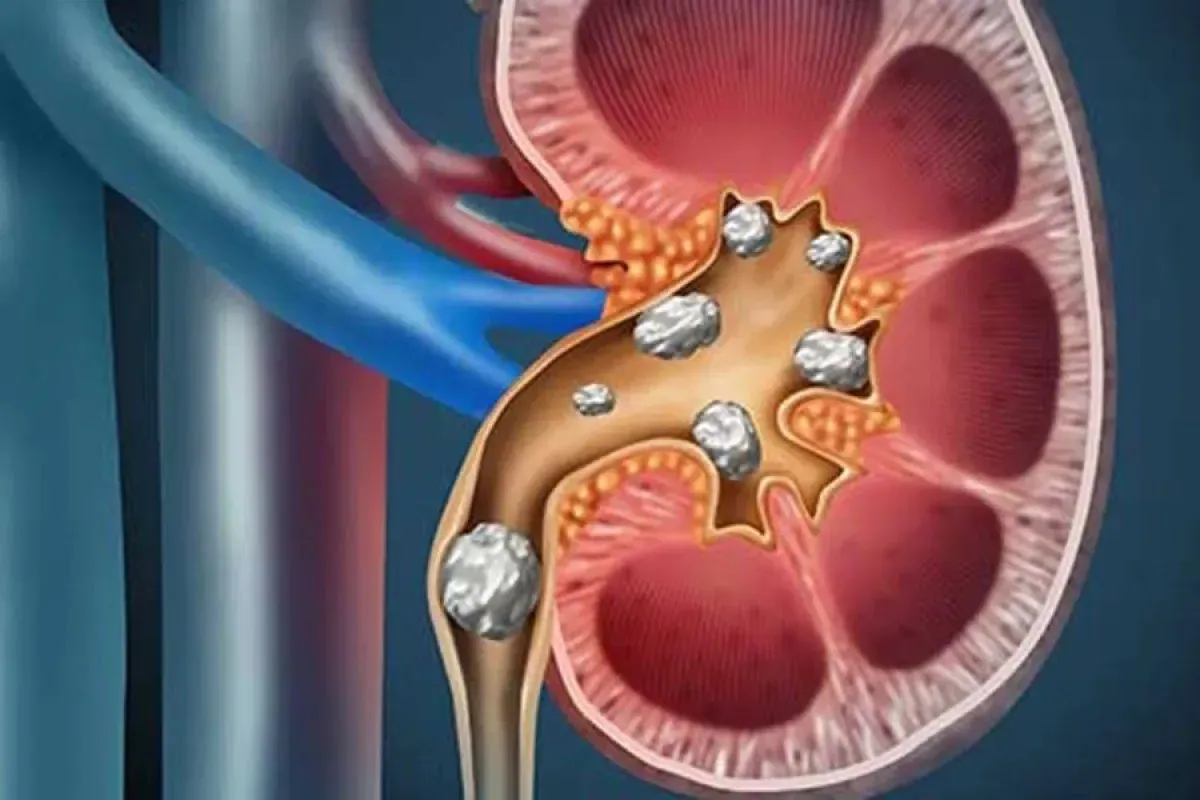
Flexible Ureterorenoscopy (RIRS – Retrograde Intrarenal Surgery)
Flexible ureterorenoscopy, also called retrograde intrarenal surgery (RIRS), treats kidney stones from the inside using a thin scope passed through the urinary tract. Unlike rigid scopes, it has a flexible tip that can reach hard-to-access areas inside the kidney, such as the lower pole.
The Working Principle of Flexible Ureterorenoscopy
The procedure is usually done under general anesthesia and involves the following steps:
- Flexible Navigation: The surgeon introduces a thin, flexible instrument called a flexible ureteroscope through the natural urinary tract. The distal tip of this device can actively deflect (bend) up to 270 degrees both upward and downward.
- Laser Lithotripsy: A fine fiber-optic laser cable (Holmium-YAG Laser) is advanced through the working channel of the scope. Once the stone is targeted, laser pulses are applied to either pulverize the stone into fine powder (dusting) or fragment it into smaller pieces to be extracted using specialized nitinol baskets.
- High-Definition Visualization: A miniaturized digital camera located at the tip of the scope projects high-resolution, real-time images of the intrarenal cavities directly onto the surgeon’s monitor.
Clinical Indications for Flexible Ureteroscopy
Flexible ureteroscopy is often a good option in the following situations:
- ESWL-Resistant Calculi: For stones that are too dense or hard to be fragmented by external shock wave lithotripsy.
- Inaccessible Stones: For calculi sequestered within the lower renal pole or other complex infundibular anatomy that are hard to reach with other methods.
- Large Stone Burden: For the minimally invasive management of stones up to 2 cm (and occasionally larger) in diameter.
- Patients on Anticoagulant Therapy: For patients with bleeding disorders or those taking blood thinners, for whom procedures that require an incision carry a higher bleeding risk.
- Anatomical Challenges: For morbidly obese individuals or patients with congenital renal anomalies (e.g., horseshoe kidney).
Clinical Advantages of the Flexible Approach
- No Incision: The procedure leaves no external scars or punctures, as it is performed entirely through the body’s natural anatomical pathways.
- Stone Clearance: It can reach stones in all parts of the kidney, and many patients become stone-free after a single session.
- Outpatient Modality: Patients are typically discharged on the same day or the following morning.
- Minimal Post-Operative Pain: Discomfort after the procedure is usually less than after open surgery or percutaneous nephrolithotomy (PCNL), which requires a tract to be dilated through the patient’s back. A temporary stent (JJ stent) is often left in the ureter for a short time, which can cause some discomfort or a frequent need to urinate.
| Feature | ESWL (Extracorporeal) | Rigid Ureteroscopy | Flexible Ureteroscopy (RIRS) |
|---|---|---|---|
| Anatomical Reach | Targeted externally from outside the body. | Limited strictly to the ureter. | The entire intrarenal collecting system. |
| Maneuverability | None. | Limited to a straight, rigid linear axis. | Highly flexible and actively deflectable. |
| Mechanism of Action | Passive (waiting for fragments to pass). | Immediate active intervention. | Immediate active intervention with laser lithotripsy. |
Contact our team
How can we help you? Share your contact details to prepare your request.
How can we help?
By submitting you confirm you have read the privacy information and consent to the processing of your personal data.



