

Endovascular Surgery
 JCI Accredited
 ISO Quality
 International Health Tourism Authorization
 Ministry of Culture and Tourism
 Global Hospital Rating
An Introduction to Endovascular Surgery
Unlike conventional open surgery, endovascular surgery is performed without making large incisions in the body. Instead, it is carried out through a small access point, usually in a blood vessel in the groin. Like any procedure, it carries some risks, such as bleeding at the access site or damage to the vessel, which your doctor will discuss with you.
The procedure relies on specialized equipment:
- Advanced Imaging (Angiography): The procedure is performed under real-time, high-resolution X-ray guidance (Fluoroscopy). The surgeon watches the inside of the vessels on large screens.
- Stent-Graft Technology: These are specialized, fabric-covered metal mesh frameworks deployed inside the vessel to treat vessel dilations (Aneurysms).
- Catheters and Guidewires: These are thin, flexible, low-friction tools designed to move through the blood vessels.
- Intravascular Ultrasound (IVUS): Miniature sensors that emit acoustic (sound) waves from within the blood vessel to acquire internal cross-sectional images, so the surgeon can assess the vessel wall.
Clinical Applications of Endovascular Surgery
It is used mainly to treat the following conditions:
- Aneurysm Repair: It repairs the body’s main artery (aorta) from the inside when it balloons or widens in the abdomen or chest (EVAR / TEVAR).
- Vascular Occlusions: Re-opening stenotic (narrowed) areas in the peripheral arteries of the legs or the carotid arteries using stents or angioplasty balloons.
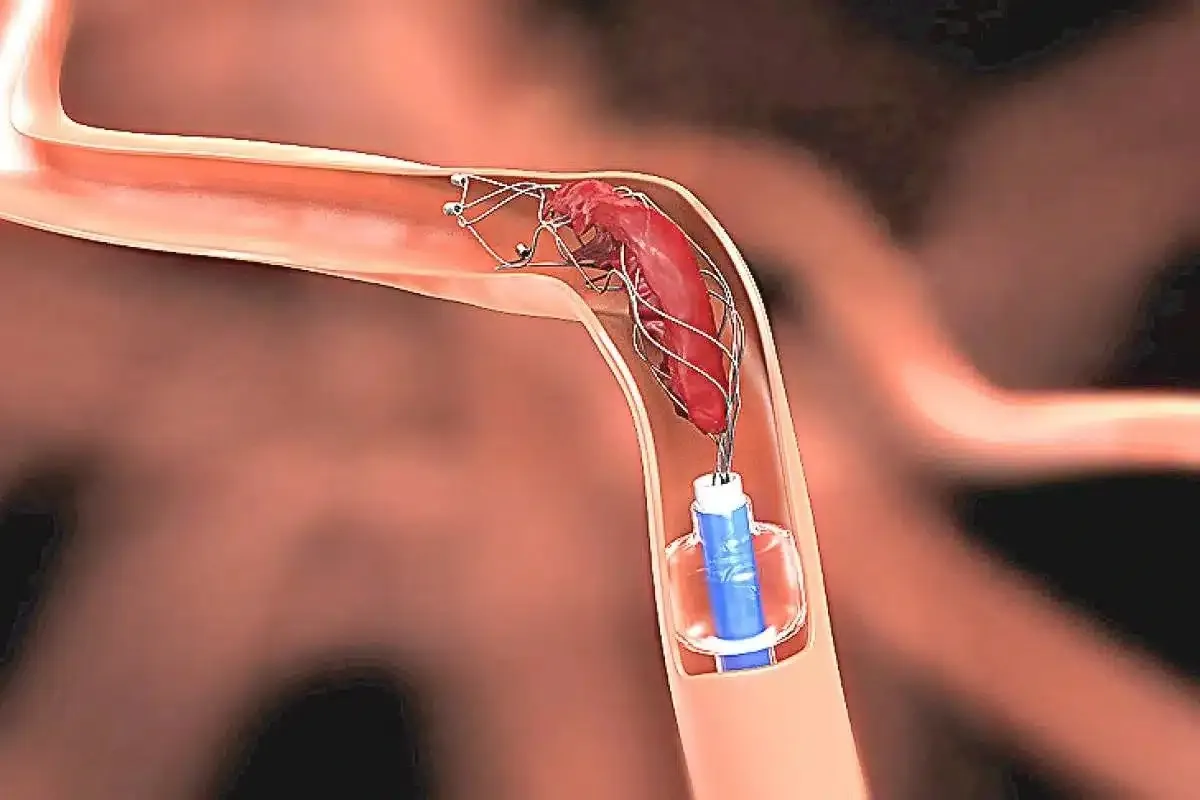
- Acute Stroke Intervention: The mechanical extraction (thrombectomy) of blood clots directly from within the cerebral arteries.
- Varicose Vein Treatment: Endovenous ablation (closure) of varicose veins from within the vessel using laser or radiofrequency energy.
Contact our team
How can we help you? Share your contact details to prepare your request.
How can we help?
By submitting you confirm you have read the privacy information and consent to the processing of your personal data.



