

Endoscopic Ultrasonography (EUS)
 JCI Accredited
 ISO Quality
 International Health Tourism Authorization
 Ministry of Culture and Tourism
 Global Hospital Rating
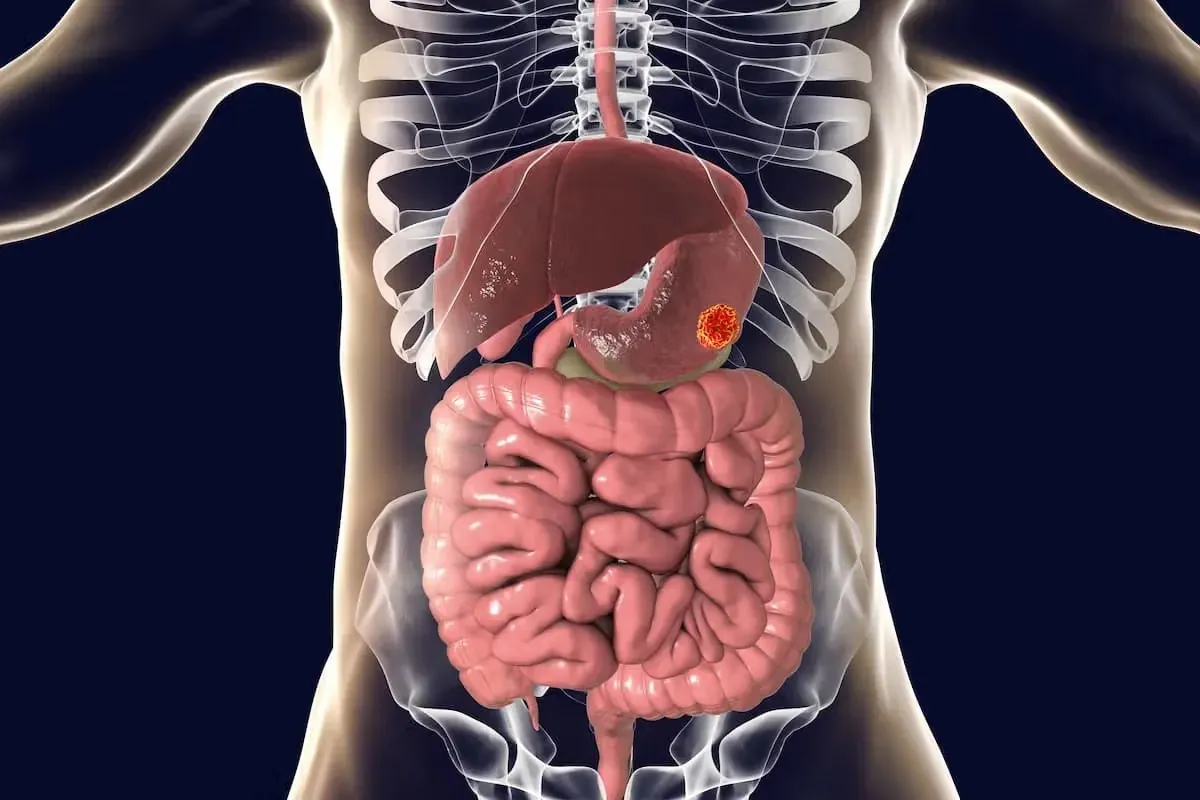
Endoscopic Ultrasound (EUS)
Endoscopic ultrasonography (EUS) combines an endoscope with a small ultrasound probe. Because the probe is placed inside the digestive tract, close to the organs being examined, it gives more detailed images than ultrasound from outside the body. Like all ultrasound, it does not involve radiation.
Because EUS visualizes the individual structural walls and layers of the gastrointestinal tract in high definition, it is widely used in the staging of tumors (assessing tumor size, depth of invasion, lymph node involvement, and adjacent organ metastasis) arising within or adjacent to the digestive system. It is also used to evaluate subepithelial lesions (lesions located beneath the mucosal lining of the gastrointestinal tract).
Tissue Sampling and Interventional Capabilities
EUS is particularly useful for evaluating the esophagus, stomach, pancreas and bile ducts (biliary tree). In some situations, it shows details that other imaging methods may miss.
Through EUS, tissue samples (biopsies) can be obtained directly from tumors originating within the digestive tract or adjacent organs. Some fluid collections, such as certain cysts, can also be drained as a treatment. This is known as Interventional EUS.
The EUS Procedure
EUS uses a flexible endoscope with a small ultrasound probe at its tip. The probe sends and receives high-frequency sound waves. The procedure is usually done under sedation, and the endoscope is passed through the mouth or, for some exams, through the rectum.
Contact our team
How can we help you? Share your contact details to prepare your request.
How can we help?
By submitting you confirm you have read the privacy information and consent to the processing of your personal data.



