

Deep Brain Stimulation (DBS)
 JCI Accredited
 ISO Quality
 International Health Tourism Authorization
 Ministry of Culture and Tourism
 Global Hospital Rating
DBS (Deep Brain Stimulation), often called a “brain pacemaker”, is a surgical treatment that helps regulate abnormal brain activity. It sends electrical signals through thin electrodes placed in specific areas of the brain.
It works in a similar way to a heart pacemaker, but the signals go to the brain instead of the heart.
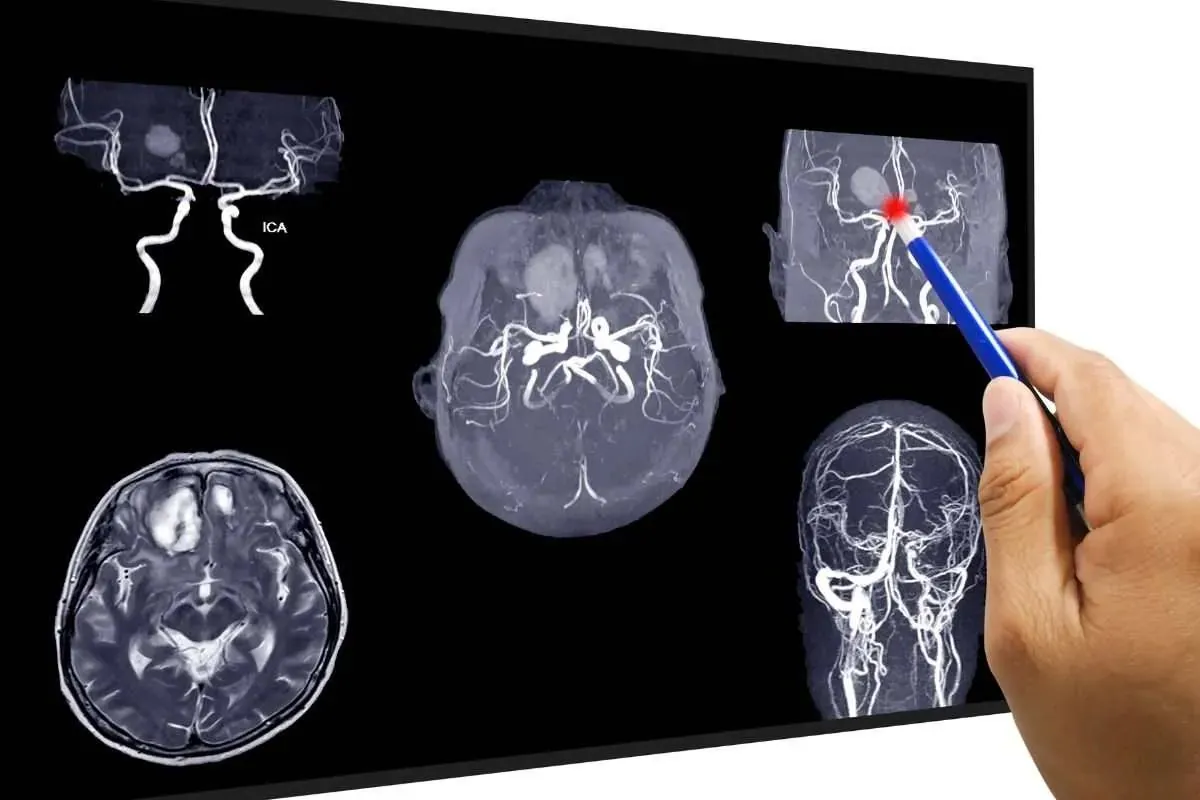
Components of the DBS System
The DBS system consists of three main components:
- Electrodes: These are very thin wires placed inside the brain, in small, precisely targeted areas that help control movement.
- Pulse Generator (IPG): Generally placed under the chest muscle or just below the collarbone. This main unit provides the energy and electrical signals.
- Extension Cables: These are connecting wires that link the pulse generator to the electrodes in the brain, running beneath the skin.
The system can be programmed from outside the body. The doctor adjusts the intensity and frequency of the current with a wireless programmer, according to the patient’s needs.
Conditions Treated With DBS
DBS helps calm or regulate abnormal electrical signals in the brain. It is most often used for the following conditions:
- Parkinson’s Disease: To gain control over symptoms such as tremors, slowness of movement, and rigidity.
- Essential Tremor: For hand or body tremors that are not well controlled with medicines.
- Dystonia: For involuntary muscle contractions and postural deformities.
- OCD and Epilepsy: In selected cases of treatment-resistant OCD, and for seizure control in some types of epilepsy (subject to specific criteria).
Technological Advantages
A key difference from older brain surgeries is that DBS is adjustable and, in most respects, reversible:
- No Tissue Destruction: Older methods treated symptoms by destroying a small area of brain tissue with heat. DBS stimulates the area with electricity instead of destroying it.
- Personalized Tuning: As the disease progresses or the patient’s needs change, the device’s settings can be updated externally.
- Quality of Life: Especially during periods when medications become insufficient or cause severe side effects, it can help many patients manage daily tasks (walking, eating, writing) more independently.
Contact our team
How can we help you? Share your contact details to prepare your request.
How can we help?
By submitting you confirm you have read the privacy information and consent to the processing of your personal data.
Surgical Process
The patient is usually awake while the electrodes are placed. This allows the surgeon to talk with the patient, ask them to move their hand and check in real time whether the tremor improves. The patient is then put to sleep for the stage in which the pulse generator is implanted in the chest area. Like any brain surgery, DBS carries risks such as bleeding, infection and problems with the device, which your surgeon will discuss with you.



