

Cryoablation: Minimally Invasive Treatment Using Cold
 JCI Accredited
 ISO Quality
 International Health Tourism Authorization
 Ministry of Culture and Tourism
 Global Hospital Rating
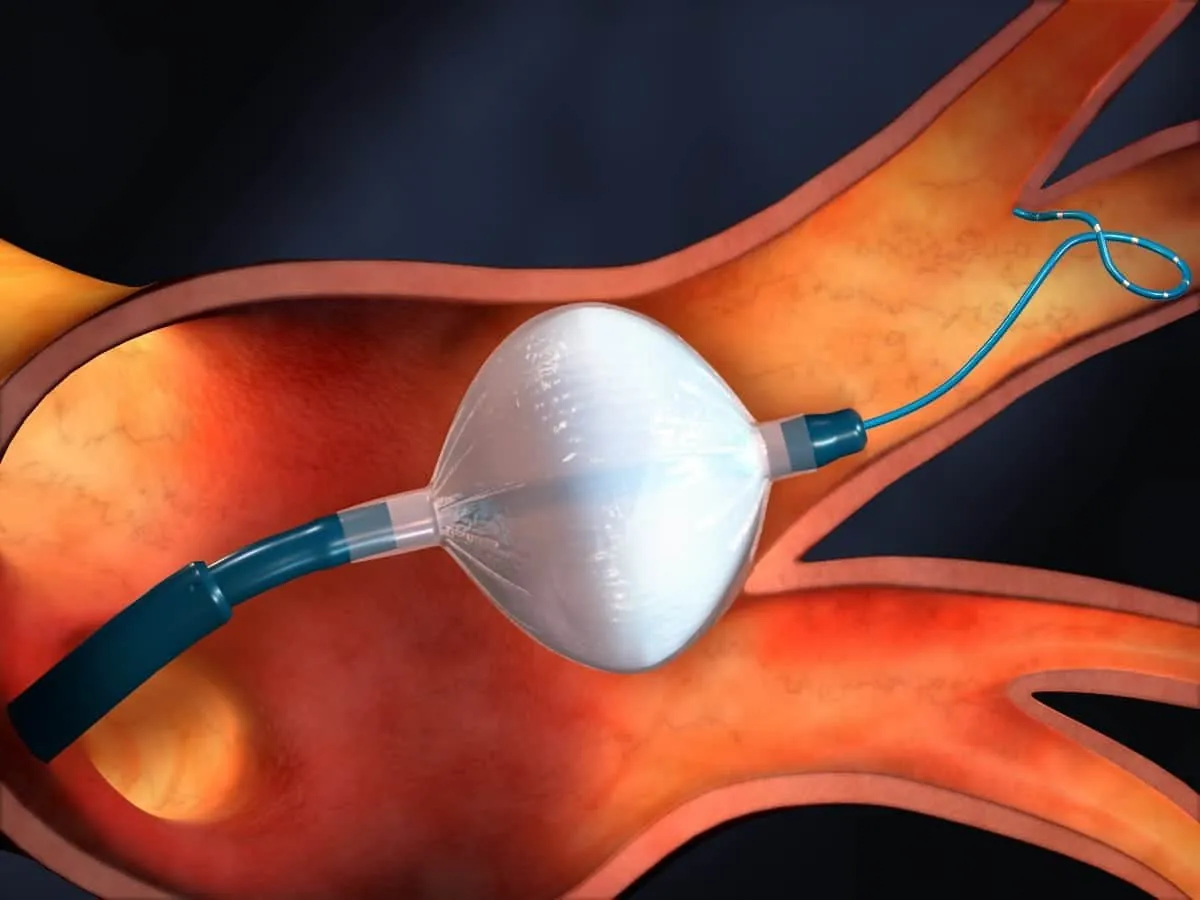
Cryoablation is a treatment that destroys abnormal or diseased tissue by freezing it. It is mainly used for some cancers, and also for certain other conditions such as some heart rhythm problems and chronic pain.
The Cryoablation Process
- Use of Coolants: The procedure uses very cold substances such as liquid nitrogen or argon gas. These cool the target tissue to temperatures of -40°C to -120°C.
- Effect on Tissue: Freezing turns the water inside the abnormal cells into ice crystals. This damages the cells and causes them to die.
- Application Method: Cryoablation is usually performed under local anesthesia. The doctor reaches the target tissue with a thin needle (probe) or catheter.
Application Areas
- Cancer Treatment: It may be an option for small tumors that have not spread. It is used for some liver, kidney and lung cancers.
- Pain Management: It can be applied in certain chronic pain conditions (e.g., lower back or neck pain).
- Arrhythmia Treatment: It can also be used to treat certain heart rhythm problems by freezing small areas of heart tissue that send abnormal electrical signals.
Advantages
- Minimally Invasive: It is less invasive than open surgery, and recovery is usually faster.
- Targeted: Treatment is aimed at the abnormal tissue, with the goal of limiting damage to the healthy tissue around it.
Cryoablation is planned by the relevant specialist, such as an oncologist, interventional radiologist or cardiologist, based on the patient’s overall health and the features of the area to be treated. Like any procedure, it carries some risks, which your doctor will discuss with you.
Contact our team
How can we help you? Share your contact details to prepare your request.
How can we help?
By submitting you confirm you have read the privacy information and consent to the processing of your personal data.



