

CEREC CAD-CAM: Same-Day Digital Dental Restorations
 JCI Accredited
 ISO Quality
 International Health Tourism Authorization
 Ministry of Culture and Tourism
 Global Hospital Rating
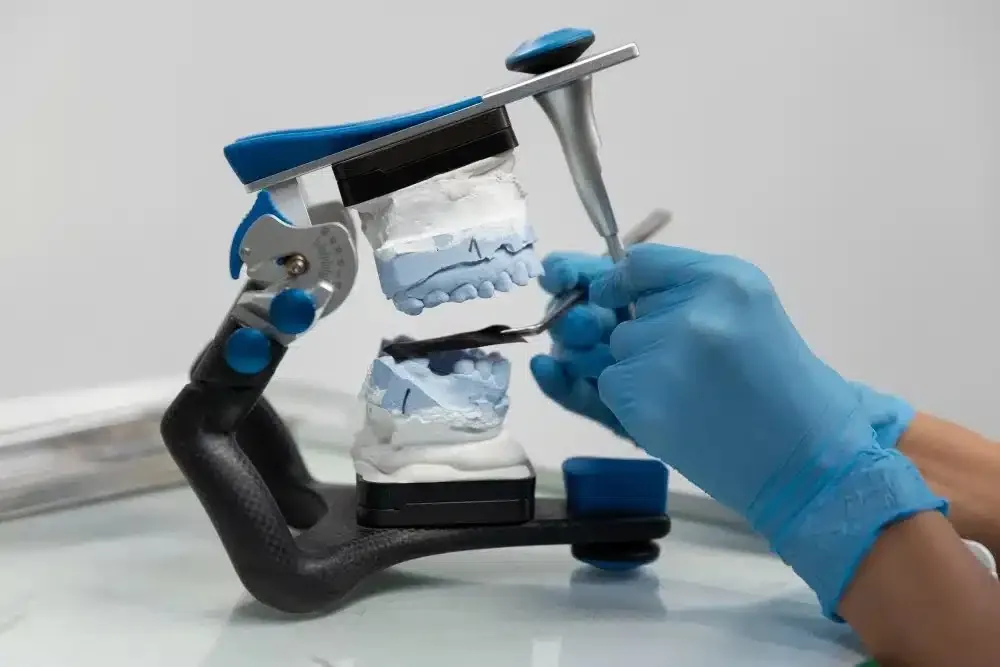
CEREC (Chairside Economical Restoration of Esthetic Ceramics) is a digital dentistry system that uses CAD/CAM (Computer-Aided Design and Computer-Aided Manufacturing) technology to design and make ceramic dental restorations in a single patient visit. Restoring a damaged tooth the traditional way usually takes two or more appointments over several weeks. It involves physical impressions, a temporary crown and an external dental laboratory. With CEREC, the scan, design and milling are all done in the dental office.
The aim is to restore the function, strength and appearance of a tooth without a long wait. A digital scan replaces the physical mold, and a milling machine shapes the restoration from a ceramic block. For many patients, this means the final restoration can be placed in hours rather than weeks. The system can be used for crowns, veneers, inlays and onlays, and the dentist oversees each step from the scan to the final fitting.
The CEREC CAD-CAM Workflow
The CEREC workflow has three main components: an intraoral scanner, 3D design software, and a milling unit. The process transforms a physical tooth preparation into a digital model and then back into a physical ceramic restoration.
Step 1: Digital Acquisition (The Scan)
The process begins after the tooth has been prepared (decay removed or reshaped). Instead of a tray filled with impression paste, the dentist uses an intraoral camera, such as the Primescan or Omnicam.
- Optical Triangulation: This wand-like camera projects a structured light pattern onto the teeth and gums.
- Real-Time Modeling: As the camera moves over the teeth, it captures thousands of images per second. The software stitches these images together in real-time to create a detailed, full-color 3D model of the patient’s mouth on the computer screen. This digital impression is accurate to within microns.
Step 2: Computer-Aided Design (CAD)
Once the 3D model is generated, the design phase begins. This is the “CAD” part of the process, where the dentist designs the restoration with specialized software.
- Biogeneric Computation: The software analyzes the adjacent teeth and the opposing jaw to suggest a suitable shape, size and biting surface for the new restoration. It mimics the natural biological morphology of the patient’s existing teeth, so the new tooth can look and work like a natural one.
- Customization: The dentist can fine-tune this proposal, adjusting contact points, contour, and occlusion (bite) to get a comfortable fit. Patients can often watch this design process on the screen, seeing their new tooth take shape virtually.
Step 3: Computer-Aided Manufacturing (CAM)
After the design is finalized, the data is sent wirelessly to the milling unit located in the office. This is the “CAM” component.
- The Milling Process: The dentist selects a ceramic block that matches the shade of the patient’s natural teeth. This block is placed into the milling machine.
- Subtractive Manufacturing: Inside the unit, two high-speed robotic arms with diamond-coated burs shape the ceramic block at the same time. Water is used to cool the block during this wet-milling step, and the block is cut to match the digital design. This process typically takes 6 to 15 minutes, depending on the complexity of the restoration.
Step 4: Sintering and Glazing (Finishing)
For certain high-strength materials like Zirconia or Lithium Disilicate (e.max), the milled restoration is placed in a high-temperature speed furnace. This “baking” process crystallizes the material, giving it its final hardness and durability. Finally, the restoration is polished or glazed to match the natural luster of enamel before being bonded to the tooth.
Clinical Advantages and Patient Benefits
Compared with traditional laboratory-based methods, CEREC can offer several practical benefits for patients.
The “One-Visit” Advantage
For many patients, the main benefit is time. Traditional crowns usually require at least two visits: one for preparation and impressions, and a second one weeks later for cementing the final piece. With CEREC, the final restoration can often be made and placed in a single appointment.
- Time-Saving: Patients only need to be numbed (anesthetized) once. They do not have to take time off work for a second appointment.
- No Temporaries: There is no need to wear a fragile temporary crown for weeks. Temporary crowns can sometimes cause sensitivity, come loose or irritate the gums. With a same-day restoration, this step is usually not needed.
Precision and Fit
Digital impressions do not change shape after they are taken. Alginate or silicone impression materials can sometimes distort, tear or shrink, which may affect how well a crown fits.
- Accurate Margins: The digital scan captures the exact margins of the tooth preparation. The milling machine then cuts the ceramic to match these margins closely. A close fit helps seal the edge of the restoration, which is important for protecting the tooth from new decay.
Aesthetics and Biocompatibility
CEREC restorations are metal-free. They are milled from industrially made ceramic blocks designed to mimic the translucency and light-refracting properties of natural enamel.
- No Dark Lines: Unlike porcelain-fused-to-metal (PFM) crowns, which can show a dark gray line at the gum line as gums recede, CEREC ceramics remain naturally colored.
- Tissue Response: The ceramic materials are generally well tolerated by the gums.
Preservation of Tooth Structure
The precision of CAD/CAM allows for “minimally invasive” dentistry. Because many of these materials are bonded to the tooth, dentists can often save more of the healthy natural tooth structure compared to traditional crowns, which need more of the tooth to be removed so they stay in place.
Clinical Uses of CEREC CAD-CAM
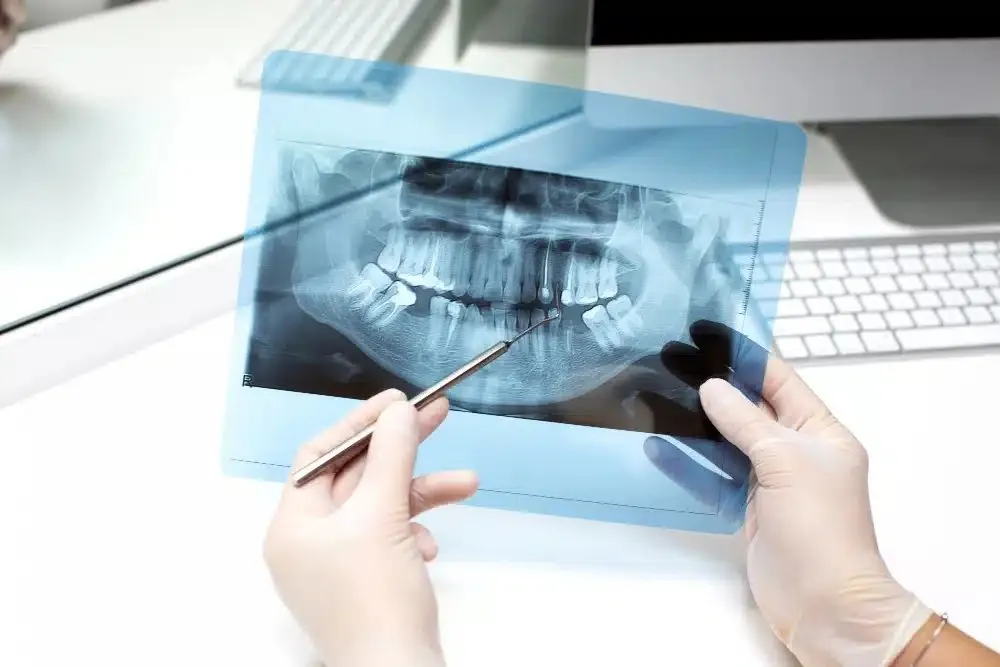
CEREC CAD-CAM is mainly used in general dentistry, but it also has a role in several other dental fields.
Restorative Dentistry
- Crowns: Full coverage for teeth that are severely decayed or fractured.
- Inlays and Onlays: These are partial crowns used when a cavity is too large for a filling but the tooth does not require a full crown. CEREC can be used to make these, helping to strengthen the tooth while keeping more healthy enamel.
Cosmetic Dentistry
- Veneers: Thin shells of ceramic placed on the front of teeth to correct discoloration, chips, or gaps. The software can also be used to plan several veneers together for a balanced smile.
Implantology
- Implant Crowns: CEREC can design and mill the crown that goes on top of a dental implant.
- Surgical Guides: The technology allows for the fabrication of surgical guides that help the surgeon place the implant into the bone at the angle and depth planned on the computer.
Orthodontics
- Aligner Planning: The digital scans from the Omnicam or Primescan are used to plan clear aligner treatments (like Invisalign). The digital model replaces the need for physical molds to fabricate the aligners.
Contact our team
How can we help you? Share your contact details to prepare your request.
How can we help?
By submitting you confirm you have read the privacy information and consent to the processing of your personal data.
The CEREC Appointment
A CEREC appointment typically lasts 90 minutes to 2 hours.
Preparation Phase
The appointment begins like a standard dental visit. The dentist administers local anesthesia to numb the area. Any old fillings or decay are removed, and the tooth is shaped to receive the restoration.
The Digital Scan
Instead of a metal tray filled with paste, the dentist inserts the slim camera wand into the mouth.
- The Sensation: The patient feels only the wand gliding over the teeth. Most people find this easier than a traditional impression, as no impression paste is placed in the mouth. The scan takes only a minute or two.
- Visualizing the Problem: The dentist turns the monitor to the patient, showing them the 3D model of their tooth. This makes it easier to explain any cracks, decay or other problems and to discuss treatment together.
The Milling Phase
Once the design is complete, the milling begins. This is the waiting period for the patient.
- Waiting Time: The patient rests in the chair for about 15 to 30 minutes while the machine operates. The milling unit is often visible, and patients can watch the robotic arms carving their tooth from the ceramic block.
- Fitting: The dentist retrieves the restoration from the mill and tries it in the patient’s mouth to check the fit and bite.
Bonding and Completion
The ceramic is polished or glazed in a furnace for a few minutes. Finally, the tooth is isolated to keep it dry, and the restoration is permanently bonded (glued) to the tooth using specialized resin cement. A special curing light is used to harden the cement. The patient usually leaves with the final restoration in place and can eat and drink once the anesthesia wears off.
Safety and Precision Standards
Several parts of the CEREC process relate to the strength, fit and hygiene of the restoration.
Material Safety and Strength
The ceramic blocks used in the milling process are industrially manufactured under controlled environments. Unlike hand-mixed porcelain in a lab, which can have bubbles or inconsistencies, these blocks have a consistent, uniform density.
- Fracture Resistance: Modern CAD/CAM materials, such as Lithium Disilicate and Zirconia, are designed to withstand normal chewing forces, which helps reduce the risk of the crown breaking.
Reduction of Human Error
Traditional impression taking is prone to errors: air bubbles in the material, saliva contamination, or distortion during shipping to the lab. The digital workflow avoids many of these steps.
- Exact Margins: The software alerts the dentist if the preparation is not smooth enough or if the scan has missed a spot, so it can be corrected before the crown is made. A well-sealed margin helps protect the tooth from bacteria and new (secondary) decay.
Hygiene and Infection Control
The digital workflow can also support infection control. Since there are no physical impressions or stone models being passed between the patient, the staff, and an external lab courier, there are fewer steps where cross-contamination could occur. The milling is done in the dental office.



