

3D Laparoscopy: Advanced Minimally Invasive Surgery
 JCI Accredited
 ISO Quality
 International Health Tourism Authorization
 Ministry of Culture and Tourism
 Global Hospital Rating
3D laparoscopy is a form of keyhole (laparoscopic) surgery in which the surgeon sees a three-dimensional image of the inside of the body. In conventional laparoscopy, the surgeon operates while looking at a flat screen with no depth. A 3D system shows the distance and position of tissues in relation to one another, closer to natural vision.
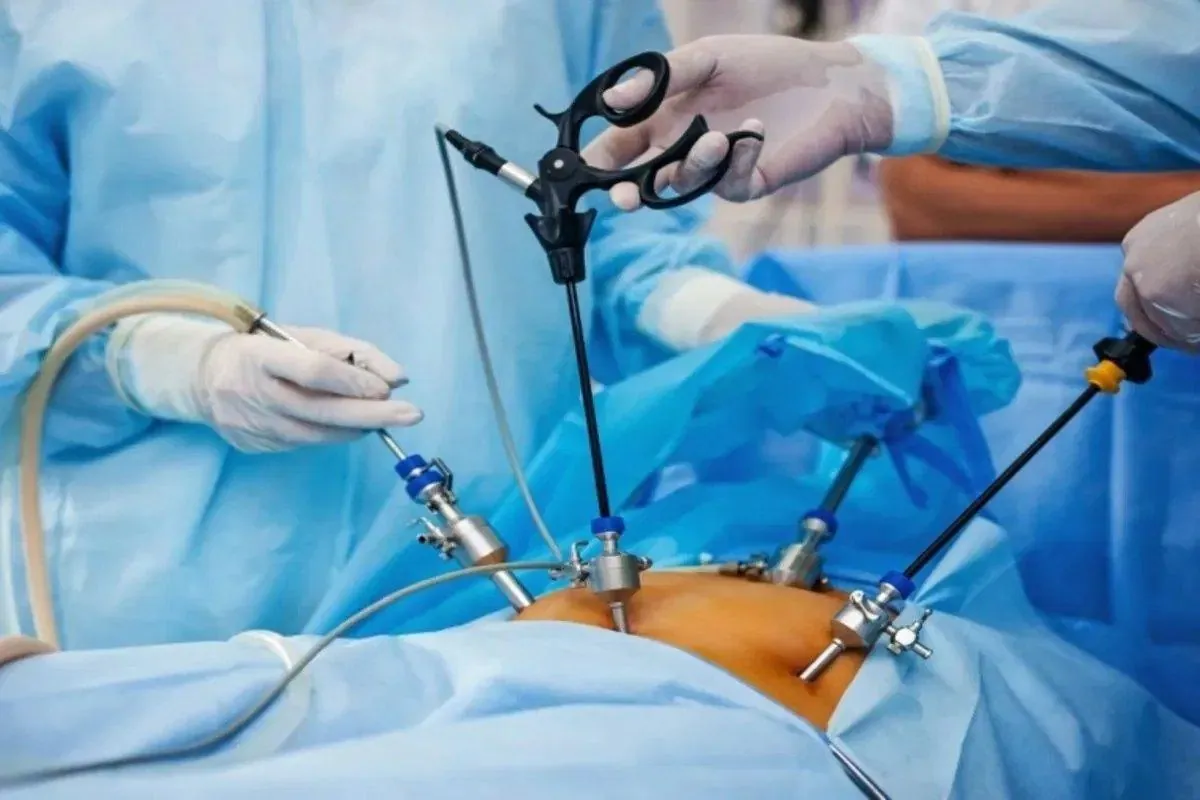
The Process of 3D Laparoscopy
The system works in a similar way to 3D cinema:
- Dual-Lens Camera: The tip of the laparoscopy rod (telescope) inserted into the body features two separate high-definition cameras. These cameras capture images from two different angles, mimicking human eyes.
- 3D Glasses: During the surgery, the surgeon and the surgical team wear special polarized 3D glasses that merge the images on the screen.
- Depth Perception: The brain combines the two images on the screen, so the surgeon can see the depth of the surgical field, the layers of tissue and the position of blood vessels.
Surgical Advantages
Depth perception can support the surgeon’s hand-eye coordination in several ways:
- Precise Suturing: Passing the needle at the correct angle is difficult on a two-dimensional screen. In a 3D image, since the surgeon clearly sees the tip of the needle and the depth of the tissue, suturing and knot-tying can be easier and faster.
- Vessel and Nerve Preservation: Thanks to depth perception, the boundaries of delicate blood vessels and nerves can be seen more clearly. This may help lower the risk of complications.
- Operating Time: Some studies report shorter operating times, partly because the surgeon needs fewer corrective movements.
Differences from Traditional (2D) Laparoscopy
| Feature | 2D Laparoscopy | 3D Laparoscopy |
|---|---|---|
| Image | Flat, like a standard TV image. | Volumetric image with depth perception. |
| Risk of Tissue Injury | There may be a risk of tissue damage due to the lack of depth. | Depth is easier to judge, which may lower this risk. |
| Learning Curve | It takes time for the surgeon to get used to a screen without depth. | Often shorter, as the view is closer to natural vision. |
| Operation Time | Can be longer, especially during suturing. | Often shorter, particularly during suturing. |
Contact our team
How can we help you? Share your contact details to prepare your request.
How can we help?
By submitting you confirm you have read the privacy information and consent to the processing of your personal data.



